Fitness Lifestyle Guide: How to Build a Stronger, Healthier, and More Active Routine
A fitness lifestyle is not just about gym sessions, protein shakes, or chasing a temporary transformation. It is a practical way of living that brings together regular movement, strength training, nutrition, hydration, recovery, sleep, and habit consistency. The goal is not to be extreme. The goal is to build a routine that can last.
Many beginners make fitness harder than it needs to be. They start with intense workouts, complicated diets, and unrealistic expectations. Then, after two or three weeks, the routine becomes too heavy to maintain. A better approach is to build a foundation first: move consistently, train progressively, eat with more awareness, sleep enough, and use supplements only when they fit a real need.
Global physical activity guidelines are more practical than most people think. The World Health Organization recommends that adults aim for 150–300 minutes of moderate-intensity aerobic activity per week, or 75–150 minutes of vigorous-intensity activity, plus muscle-strengthening activities on two or more days per week (WHO, 2024). That means fitness does not have to be extreme to be effective. It has to be repeatable.
- A fitness lifestyle is built on movement, training, nutrition, sleep, recovery, and consistency.
- Beginners should start with simple routines rather than extreme programs.
- Strength training and aerobic activity both play important roles in long-term health.
- Supplements are optional tools, not replacements for food, training, or recovery.
- The best routine is the one you can maintain and gradually improve.
What Is a Fitness Lifestyle?
A fitness lifestyle is a sustainable routine that supports physical activity, better movement, stronger muscles, recovery, and overall well-being. It is not limited to people who compete in sports or train like athletes. It can apply to office workers, students, parents, business owners, and anyone who wants to feel more capable in daily life.
At its core, a fitness lifestyle includes four simple ideas: move more, train with purpose, recover properly, and make better nutrition choices most of the time. These ideas sound basic, but they are powerful when repeated consistently over months and years.
A beginner does not need the perfect workout plan. A beginner needs a realistic rhythm. That might mean two full-body workouts per week, walking more often, improving sleep, and learning how to build meals around protein, fiber-rich foods, and hydration.
The 5 Pillars of a Sustainable Fitness Lifestyle
Most people think fitness is only about exercise. In reality, training is just one piece of the system. A strong fitness lifestyle works because several habits support each other.
1. Daily Movement
Daily movement is the base layer. Walking, taking the stairs, cycling, doing mobility work, or taking short movement breaks can all support an active routine. These actions are not always intense, but they help reduce sedentary time and make structured workouts easier to maintain.
The CDC summarizes adult activity guidance in a simple way: adults need at least 150 minutes of moderate-intensity physical activity per week and two days of muscle-strengthening activity each week (CDC, 2023). For a beginner, this can be divided into manageable sessions instead of one overwhelming plan.
2. Strength Training
Strength training helps the body become more capable. It supports muscle function, joint stability, posture, and everyday tasks such as lifting, carrying, climbing, and moving with control. It also gives beginners a clear way to measure progress: better form, more reps, improved control, and gradually heavier resistance.
Strength training does not have to be complicated. A simple beginner routine can include squats, hip hinges, push-ups, rows, overhead presses, carries, and core work. The key is progression: start with a level you can control, then slowly increase difficulty over time.
3. Nutrition
Nutrition provides the fuel and building blocks for an active body. A fitness lifestyle does not require extreme dieting. It requires consistent meals that support energy, recovery, and training quality. For most active adults, this means paying attention to protein, carbohydrates, fats, fruits, vegetables, and fluids.
The International Society of Sports Nutrition states that an overall daily protein intake in the range of 1.4–2.0 grams per kilogram of body weight per day is sufficient for most exercising individuals (Jäger et al., 2017). This does not mean every person needs to calculate every meal. It means protein quality and consistency matter when training is part of the lifestyle.
4. Recovery and Sleep
Training creates a stimulus. Recovery is when the body adapts. Without enough recovery, performance can stall, motivation can drop, and workouts can feel harder than they should. Recovery includes sleep, rest days, lower-intensity movement, hydration, and nutrition.
Sleep is especially important. The CDC notes that most adults need seven or more hours of sleep per night (CDC Sleep, 2024). For a fitness lifestyle, sleep should not be treated as optional. It is part of the training system.
5. Consistency and Habit Design
Motivation rises and falls. Systems last longer. A strong fitness lifestyle is built around repeatable habits that fit real life. Instead of trying to train perfectly, focus on showing up consistently and improving gradually.
Good habit design can be simple: schedule workouts in advance, keep training clothes ready, prepare easy meals, set a walking target, and track progress in a way that does not create pressure. Progress is not only about how you look. It can also mean better energy, better form, more confidence in movement, and a stronger sense of routine.
A Simple Weekly Fitness Lifestyle Routine for Beginners
The best beginner routine is not the most advanced routine. It is the one you can repeat without burning out. Here is a practical weekly structure that combines strength training, light cardio, mobility, and recovery.
| Day | Focus | Example Session |
|---|---|---|
| Monday | Full-body strength | Squat variation, push-up variation, row, hip hinge, core work |
| Tuesday | Light cardio | 20–40 minutes of walking, cycling, or easy jogging |
| Wednesday | Recovery or mobility | Stretching, mobility flow, relaxed walking, or rest |
| Thursday | Full-body strength | Lunge variation, overhead press, row, glute bridge, carries |
| Friday | Active lifestyle day | Steps, stairs, sports, recreational movement, or outdoor activity |
| Saturday | Optional workout | Short full-body session, cardio, or skill practice |
| Sunday | Recovery and planning | Rest, meal planning, light walk, and schedule review |
This structure is intentionally flexible. Some people recover well with three workouts per week. Others need two sessions at first. The important part is to build momentum before increasing intensity.
Fitness Nutrition: What to Focus on First
Fitness nutrition should support training, recovery, and daily energy. It should not feel like punishment. A practical nutrition foundation usually starts with four areas: protein, carbohydrates, hydration, and meal consistency.
Protein
Protein supports muscle repair and adaptation after training. Good sources include eggs, poultry, fish, lean meats, dairy, soy foods, legumes, and protein powders when convenient. Protein powder is not mandatory. It is simply a convenient option when whole-food protein is difficult to fit into the day.
Carbohydrates
Carbohydrates are a key fuel source for training. Rice, oats, potatoes, fruit, whole grains, and other carbohydrate sources can support workout quality and recovery. Very low-carb approaches may work for some people, but they are not required for a healthy fitness lifestyle.
Fats
Dietary fats support normal body functions and help make meals satisfying. Sources can include olive oil, avocado, nuts, seeds, eggs, and fatty fish. The goal is balance, not elimination.
Hydration
Hydration affects how training feels. Even mild dehydration can make workouts feel harder. A simple approach is to drink water throughout the day, add fluids around training, and pay attention to sweat level, heat, and workout duration.
The Role of Supplements in a Fitness Lifestyle
Supplements can be useful, but they are not the foundation. The foundation is training, food, recovery, sleep, and consistency. Supplements should be treated as support tools that may help fill specific gaps or improve convenience.
The NIH Office of Dietary Supplements explains that products marketed for exercise and athletic performance may contain ingredients such as protein, amino acids, creatine, caffeine, and other compounds, but benefits and safety depend on the ingredient, dose, product quality, and individual context (NIH ODS).
| Category | Common Purpose | Practical Note |
|---|---|---|
| Protein powder | Convenient way to support daily protein intake | Useful when whole-food protein is not convenient; not required for everyone |
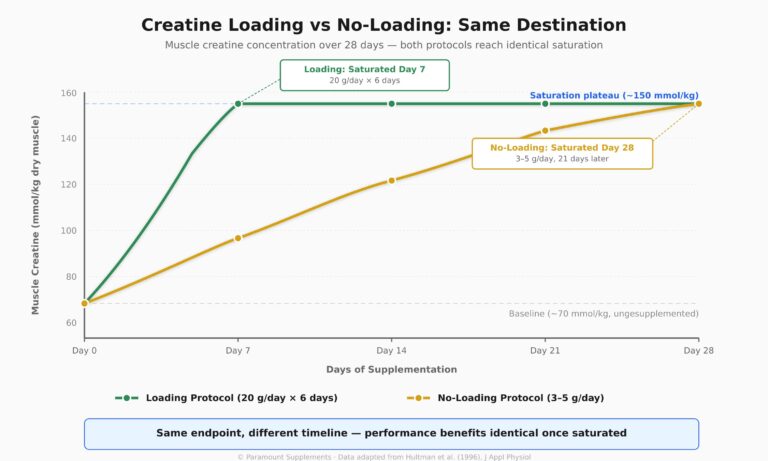
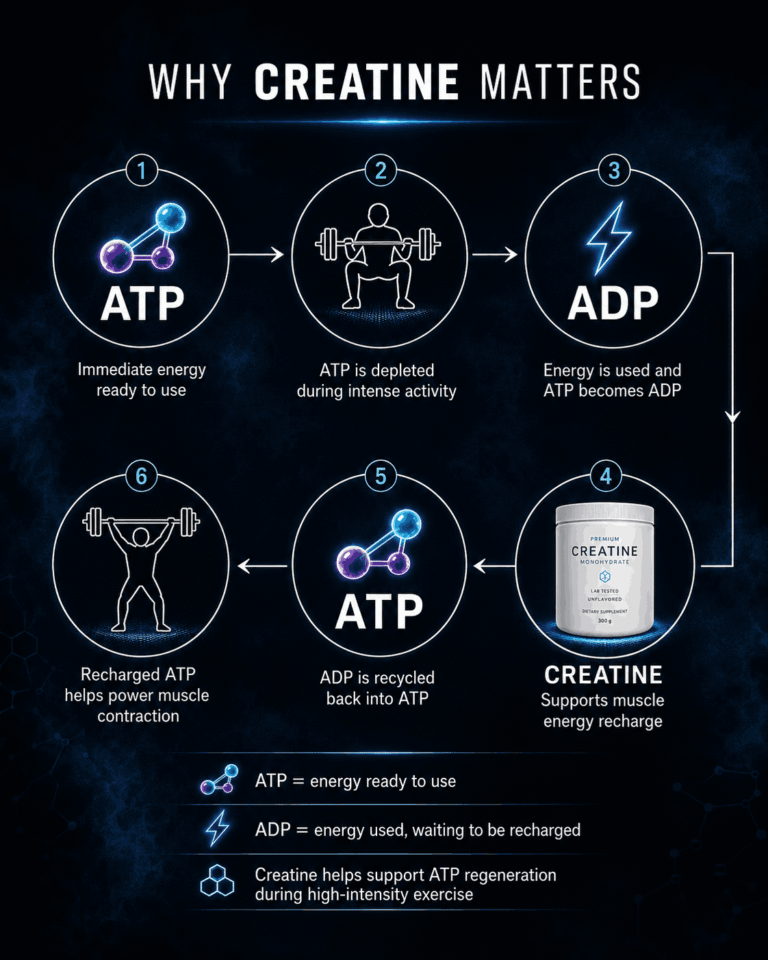
| Creatine monohydrate | Supports high-intensity performance and training adaptation in many adults | Should be used according to label directions and individual tolerance |
| Electrolytes | Support fluid balance during heavy sweating or long sessions | Most useful in heat, endurance activity, or high-sweat conditions |
| Caffeine / pre-workout | May support alertness and training focus for some adults | Not suitable for everyone; sensitivity, timing, and total caffeine intake matter |
| Multivitamin | May help fill dietary gaps in certain situations | Not a substitute for varied foods, fruits, vegetables, and balanced meals |
A smart supplement strategy starts with questions: What problem are you trying to solve? Is your training consistent? Is your nutrition already reasonable? Are you sleeping enough? If the foundation is weak, supplements will not fix the system.
Common Fitness Lifestyle Mistakes to Avoid
Most people do not fail because they lack discipline. They fail because the plan is too aggressive for their current life. Avoiding these mistakes can make the process smoother.
| Mistake | Why It Backfires | Better Approach |
|---|---|---|
| Starting too hard | High soreness and fatigue can reduce consistency | Start with two to three manageable workouts per week |
| Ignoring recovery | Poor recovery can reduce training quality | Plan rest days, sleep, hydration, and lighter movement |
| Copying advanced routines | Advanced plans may not match beginner capacity | Use simple full-body training and progress gradually |
| Relying only on supplements | Supplements cannot replace training or food habits | Use supplements only as support after the basics are in place |
| Changing plans too often | Progress becomes difficult to measure | Follow one simple plan for several weeks before adjusting |
Fitness Lifestyle Content Cluster
This guide is the pillar page for the Paramount Supplements fitness lifestyle topic cluster. Use the supporting articles below to go deeper into beginner training, nutrition, recovery, and supplement education.
Recommended Reading Path
- Beginner Fitness Guide: How to Start Working Out from Zero
- Weekly Workout Routine for Beginners
- Fitness Nutrition Guide for an Active Lifestyle
- Strength Training for Beginners: What to Know Before You Start
- Fitness Recovery Guide: Sleep, Rest Days, and Active Recovery
- Fitness Supplements Guide: What Beginners Should Know
| Cluster | Supporting Article | Target Keyword | Suggested Anchor Back to Pillar |
|---|---|---|---|
| Beginner Fitness | Beginner Fitness Guide: How to Start Working Out from Zero | beginner fitness guide | fitness lifestyle guide |
| Beginner Fitness | Home Workout for Beginners Without Equipment | home workout for beginners | active fitness routine |
| Strength Training | Strength Training for Beginners: What to Know Before You Start | strength training for beginners | building a fitness lifestyle |
| Fitness Nutrition | Fitness Nutrition Guide for an Active Lifestyle | fitness nutrition guide | healthy active routine |
| Recovery | Fitness Recovery Guide: Sleep, Rest Days, and Active Recovery | fitness recovery | fitness lifestyle habits |
| Supplement Education | Fitness Supplements Guide: What Beginners Should Know | fitness supplements guide | smart supplement education |
| Supplement Education | Protein Powder Guide: Benefits, Timing, and How to Choose | protein powder guide | fitness nutrition and lifestyle |
| Supplement Education | Creatine for Fitness: What Beginners Should Know | creatine for fitness | fitness lifestyle support |
| Active Lifestyle Bridge | Body Confidence and an Active Lifestyle | body confidence active lifestyle | active lifestyle guide |
| Active Lifestyle Bridge | Activewear and the Modern Fitness Routine | activewear fitness lifestyle | fitness and wellness routine |
How This Pillar Connects to Lifestyle and Fashion Topics
Fitness does not exist in isolation. Many people discover an active lifestyle through fashion, body confidence, sportswear, self-care, or wellness content. That makes this pillar useful as a bridge between lifestyle-oriented pages and more specific supplement education pages.
For example, a lifestyle article about body confidence can naturally point readers to this guide using anchors such as active lifestyle guide, healthy active routine, or fitness and wellness routine. From this pillar, readers can then move deeper into beginner workouts, recovery, nutrition, or supplement education.
For readers who approach wellness from style, comfort, and everyday confidence, this topic can also connect naturally with fashion-led resources such as Sales Lingerie, especially when the conversation is about activewear, fit, body confidence, and self-care routines.
This structure keeps the linking natural. Lifestyle pages introduce the broader concept, the pillar explains the complete framework, and the cluster articles answer more specific questions. Keep the external brand mention contextual and limited, rather than repeating it across every section.
Frequently Asked Questions
What is a fitness lifestyle?
A fitness lifestyle is a sustainable way of living that combines regular movement, strength training, balanced nutrition, recovery, sleep, hydration, and consistent daily habits. It is not about extreme routines. It is about building a practical system that supports long-term health and performance.
How do beginners start a fitness lifestyle?
Beginners can start with two to three simple workouts per week, daily walking, basic strength movements, better hydration, more consistent sleep, and gradual nutrition improvements. The best routine is one that can be repeated consistently.
Do I need supplements to live a fitness lifestyle?
No. Supplements are optional and should support, not replace, a foundation of training, food, recovery, and sleep. They may be useful in specific situations, but they are not required for every person.
How many days per week should beginners work out?
Many beginners do well with two to three structured workouts per week plus light daily movement such as walking. Over time, training frequency can be adjusted based on recovery, goals, and schedule.
What matters most in a fitness lifestyle?
Consistency matters most. Exercise, nutrition, recovery, and sleep work best when they become repeatable habits rather than short bursts of motivation.
Can fitness improve everyday energy?
Regular physical activity, adequate sleep, hydration, and balanced meals can support everyday energy and overall well-being. Results vary by individual, and people with medical conditions should consult a qualified health professional.
The Bottom Line
A fitness lifestyle is not built from one perfect workout, one supplement, or one strict diet. It is built from repeatable habits: movement, strength training, practical nutrition, quality sleep, recovery, and consistency.
Start with the basics. Train two to three times per week. Walk more. Eat in a way that supports your routine. Prioritize sleep. Use supplements only when they serve a clear purpose. Over time, these small actions become a system — and that system becomes your lifestyle.
For the next step, read our beginner fitness guide, fitness nutrition guide, or fitness supplements guide.
References
- World Health Organization. Physical activity fact sheet. Updated June 2024. https://www.who.int/news-room/fact-sheets/detail/physical-activity
- Centers for Disease Control and Prevention. Adult Activity: An Overview. Updated December 2023. https://www.cdc.gov/physical-activity-basics/guidelines/adults.html
- Centers for Disease Control and Prevention. About Sleep. https://www.cdc.gov/sleep/about/index.html
- National Institutes of Health Office of Dietary Supplements. Dietary Supplements for Exercise and Athletic Performance: Fact Sheet for Health Professionals. https://ods.od.nih.gov/factsheets/ExerciseAndAthleticPerformance-HealthProfessional/
- Jäger R, Kerksick CM, Campbell BI, et al. International Society of Sports Nutrition Position Stand: protein and exercise. Journal of the International Society of Sports Nutrition. 2017;14:20. PMID: 28642676
- Kerksick CM, Wilborn CD, Roberts MD, et al. ISSN exercise & sports nutrition review update: research & recommendations. Journal of the International Society of Sports Nutrition. 2018;15:38. PMID: 30068354